
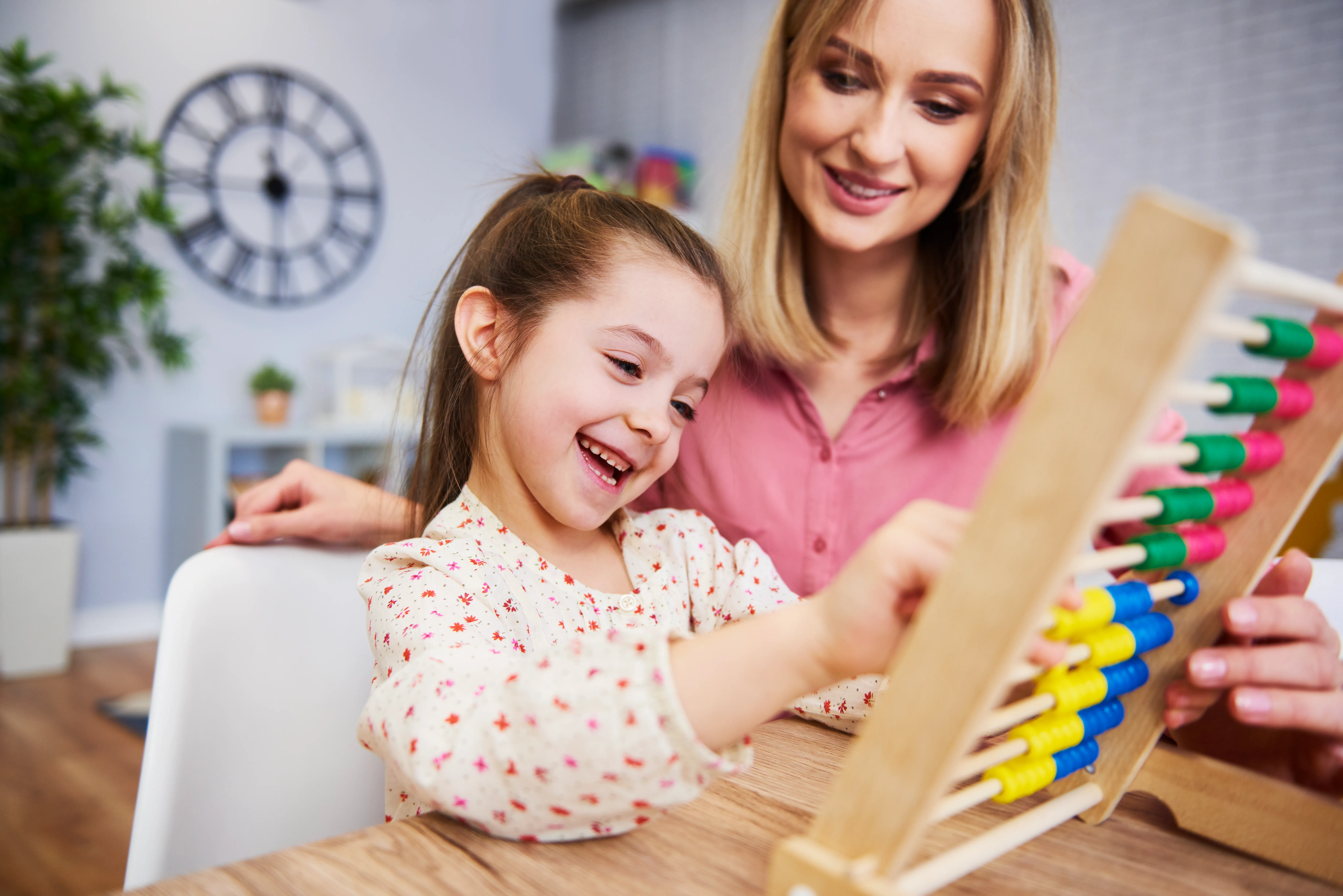
Applied Behavior Analysis (ABA) Therapy is an evidence-based approach that helps children develop essential communication, social, learning, and everyday living skills. ABA therapy for children focuses on understanding how behaviors develop and how supportive environments can encourage positive, meaningful changes. Through structured activities, observation, and individualized strategies, children can practice new skills in ways that suit their developmental needs.
At Shunytra Mind Care, ABA therapy focuses on helping children build skills that support their independence, participation, and overall development. Therapy goals are designed around each child's strengths, challenges, interests, and individual needs. Depending on the child's requirements, sessions may focus on communication, following instructions, social interaction, daily routines, or learning alternative ways to express needs and emotions.
How Can ABA Therapy Help Your Child?
ABA therapy can help children strengthen everyday skills and develop positive behavioral patterns through consistent, personalized support. It can be particularly helpful for children who need additional support with communication, social interaction, learning, or managing challenging behaviors. By breaking skills into manageable steps and providing encouragement, therapy helps children practice new abilities across everyday situations.

Improved Communication Skills
Helps children express their needs, preferences, and feelings more effectively.

Better Social Interaction
Encourages turn-taking, shared activities, and positive interactions with others.

Development of Everyday Skills
Supports learning routines, following instructions, and building age-appropriate independence.

Positive Behavioral Support
Helps identify behavioral triggers and develop safer, more effective ways to communicate needs.
Our therapy approach
At Shunytra Mind Care, our approach to ABA therapy begins with understanding each child's individual strengths, developmental needs, and everyday experiences. We aim to establish meaningful goals through appropriate assessment, structured learning activities, positive reinforcement, and regular progress reviews. Parents and caregivers can also receive guidance on supporting skill development at home and in other everyday settings. Our focus is on respectful, individualized care that promotes communication, independence, participation, and the child's overall wellbeing.
Simple steps toward healing
From your first consultation to ongoing support, our process is designed to make therapy comfortable, structured, and focused on your well-being.

Book Your Consultation
Book a confidential consultation online or by phone at a time.
- We ensure smooth start your journey

Personalized Assessment
We take time understand concerns, goals, and experiences.
- We create tailore therapy plan design

Ongoing Support & Progress
Through regular session and practical strategy we help you resilience.
- Achieve lasting emotional well-being
Frequently asked questions
ABA therapy is an evidence-based approach that uses learning principles to develop communication, social, behavioral, and everyday living skills through individualized strategies.
ABA therapy may benefit children who need support with communication, social interaction, learning, or specific behavioral challenges. A qualified professional can help determine whether it suits a child's needs.
Sessions may include structured learning, play-based activities, skill practice, positive reinforcement, and progress monitoring based on the child's individualized goals.
Progress varies depending on the child's needs, therapy goals, session frequency, and individual response. Goals and progress should be reviewed regularly with the treating professional.
Yes. Parent or caregiver involvement can help reinforce learned skills at home and support consistency across daily routines and different environments.