
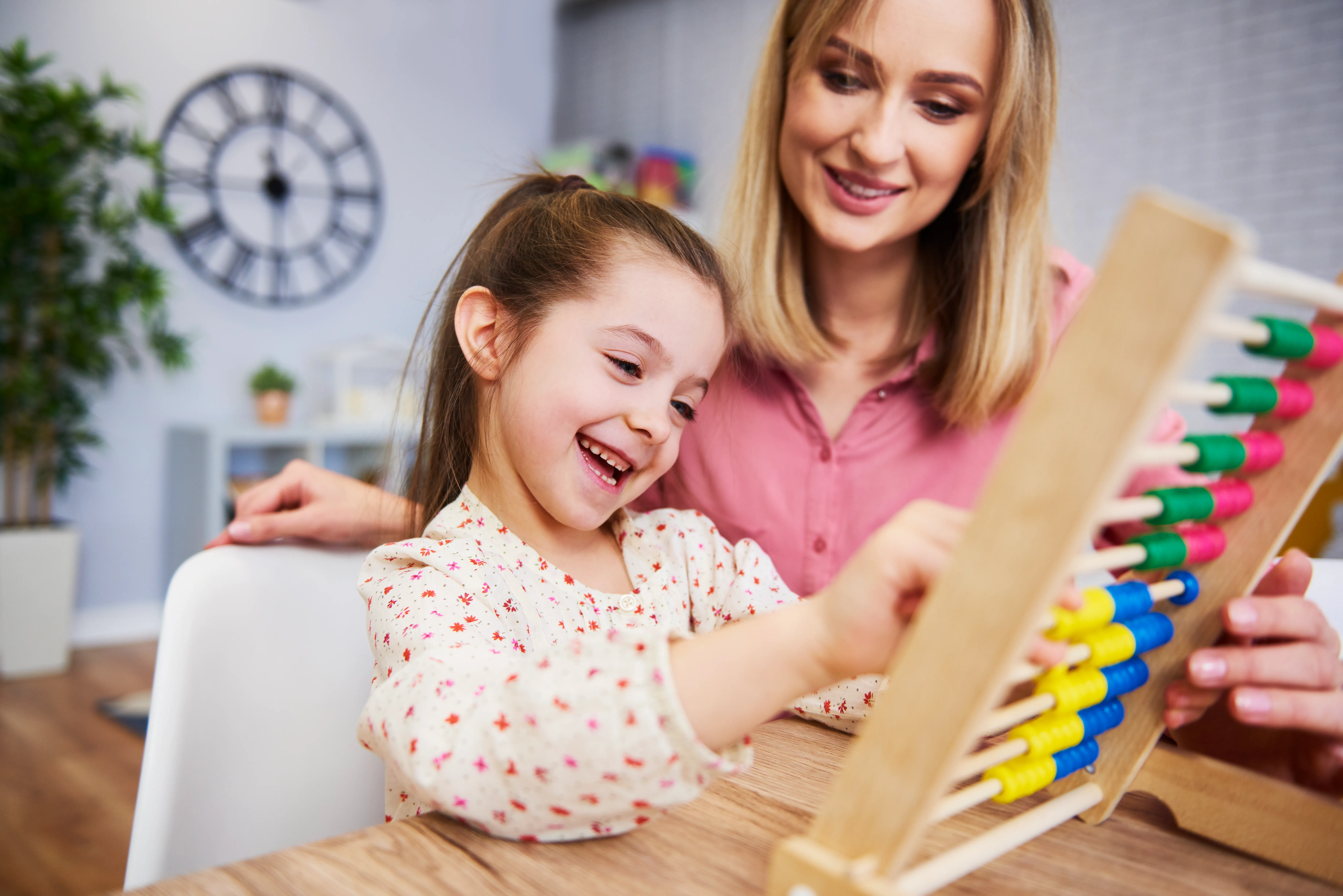

ABA therapy helps children develop communication, social skills, and positive everyday behaviors.

Sensory integration therapy helps children process sensory information and respond comfortably to everyday experiences.
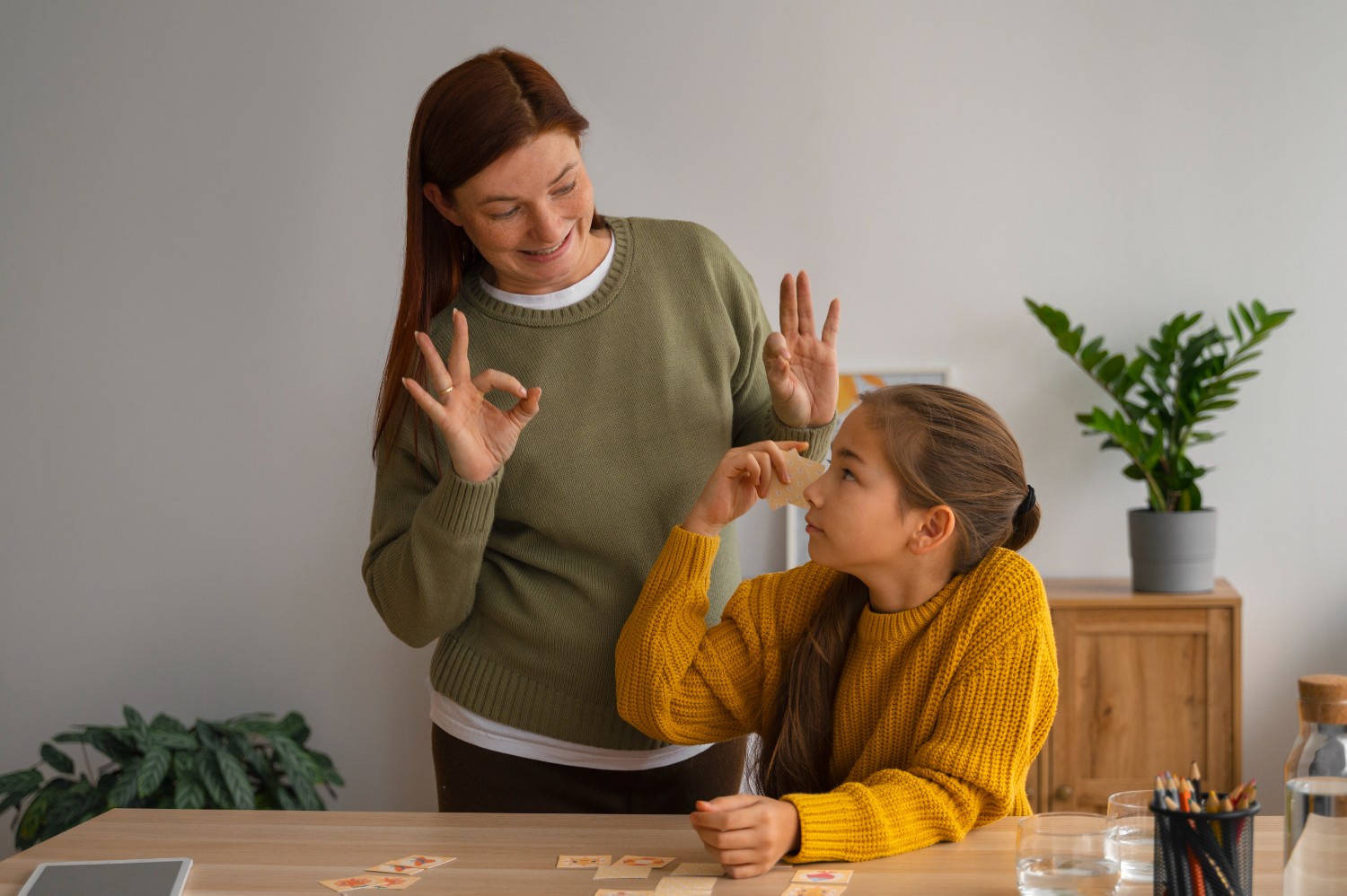

Behavioral modification encourages positive behaviors while helping children gradually reduce challenging behavioral patterns.
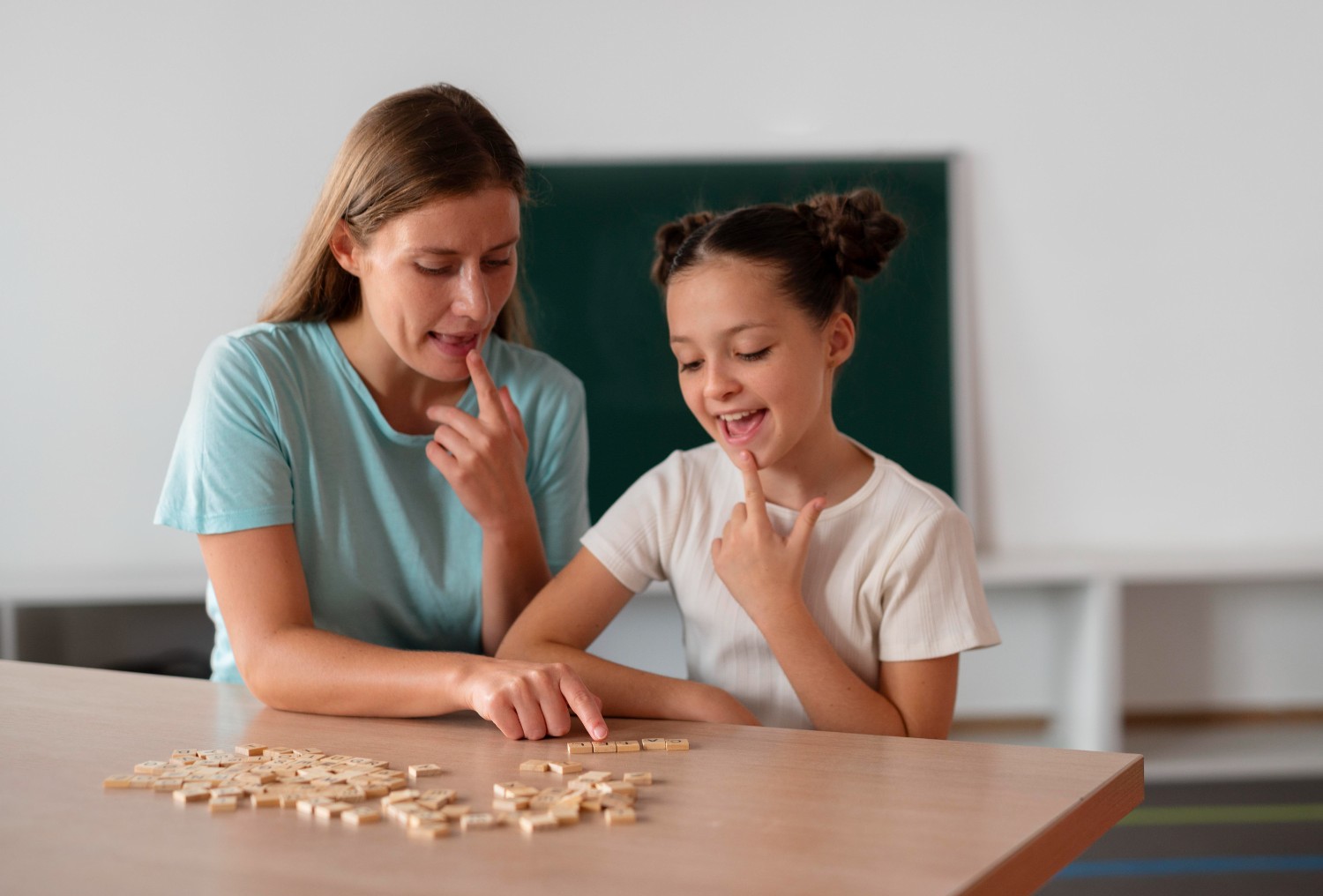
Speech therapy helps children improve communication, language development, and speech clarity through guided activities.
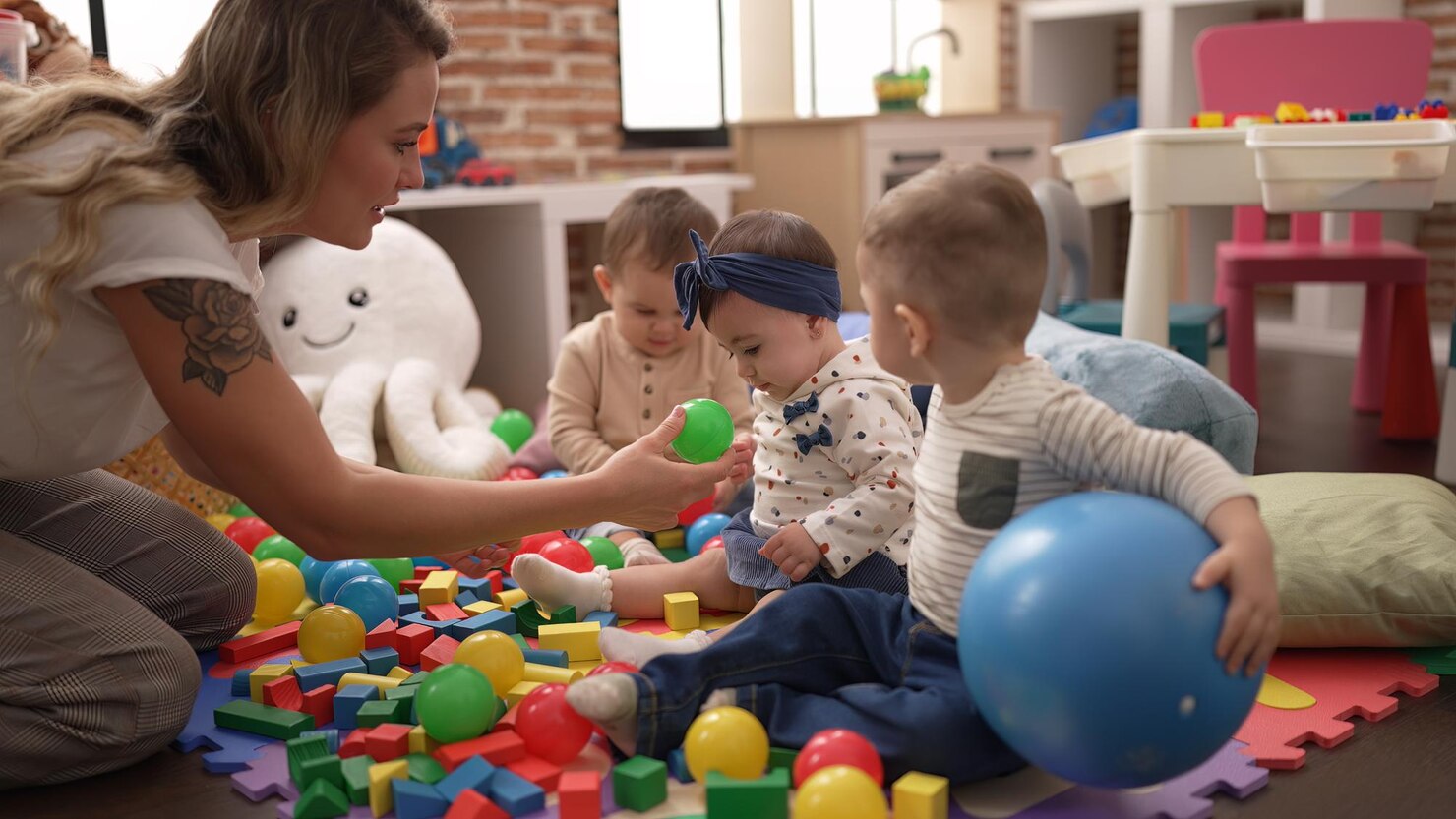
Play group therapy helps children develop social skills, cooperation, communication, and confidence through shared play.

Home-based therapy helps children develop essential skills through personalized support in familiar surroundings.
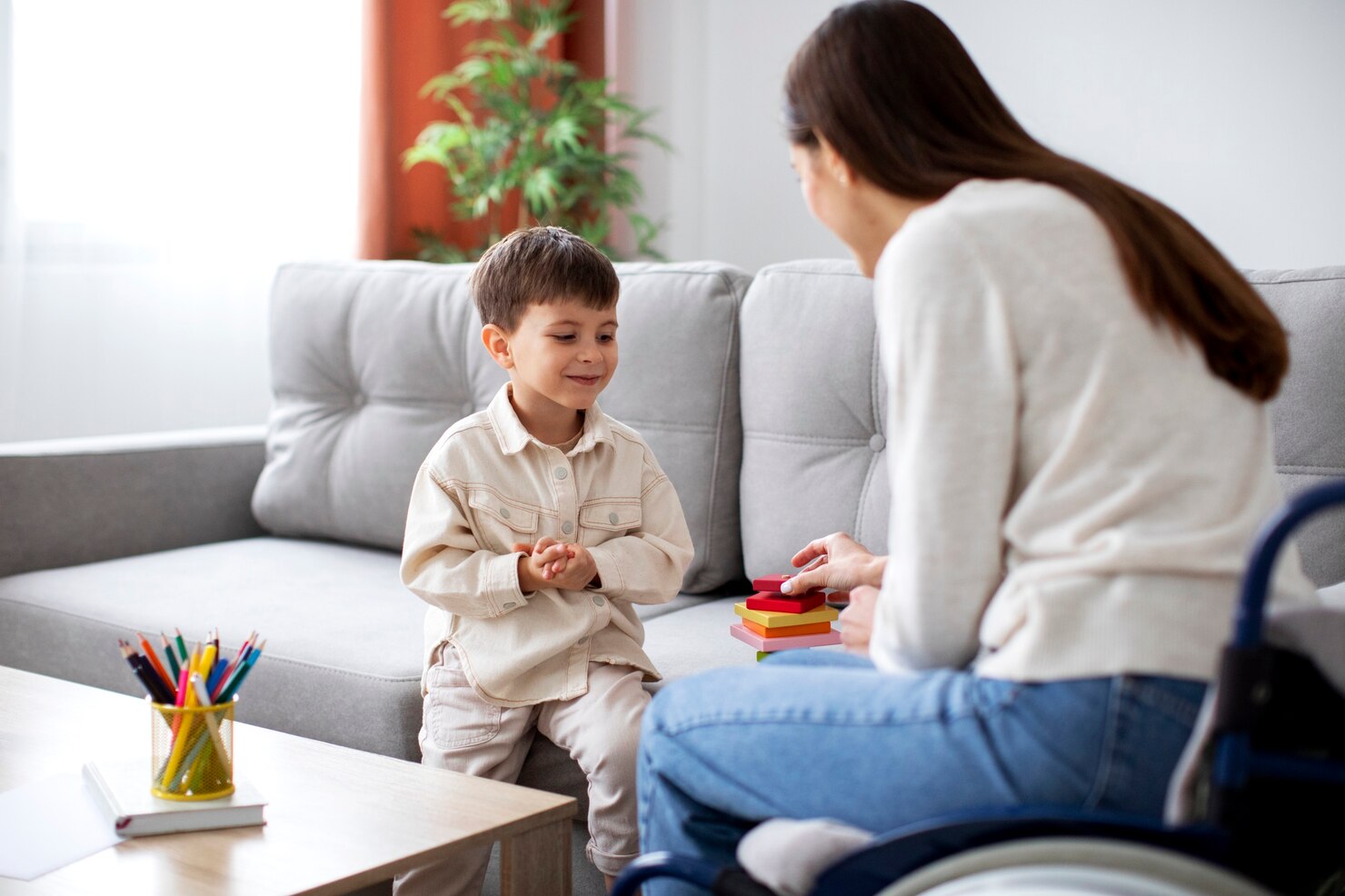
Behavioral therapy supports children in building positive habits and managing challenging behaviors effectively.
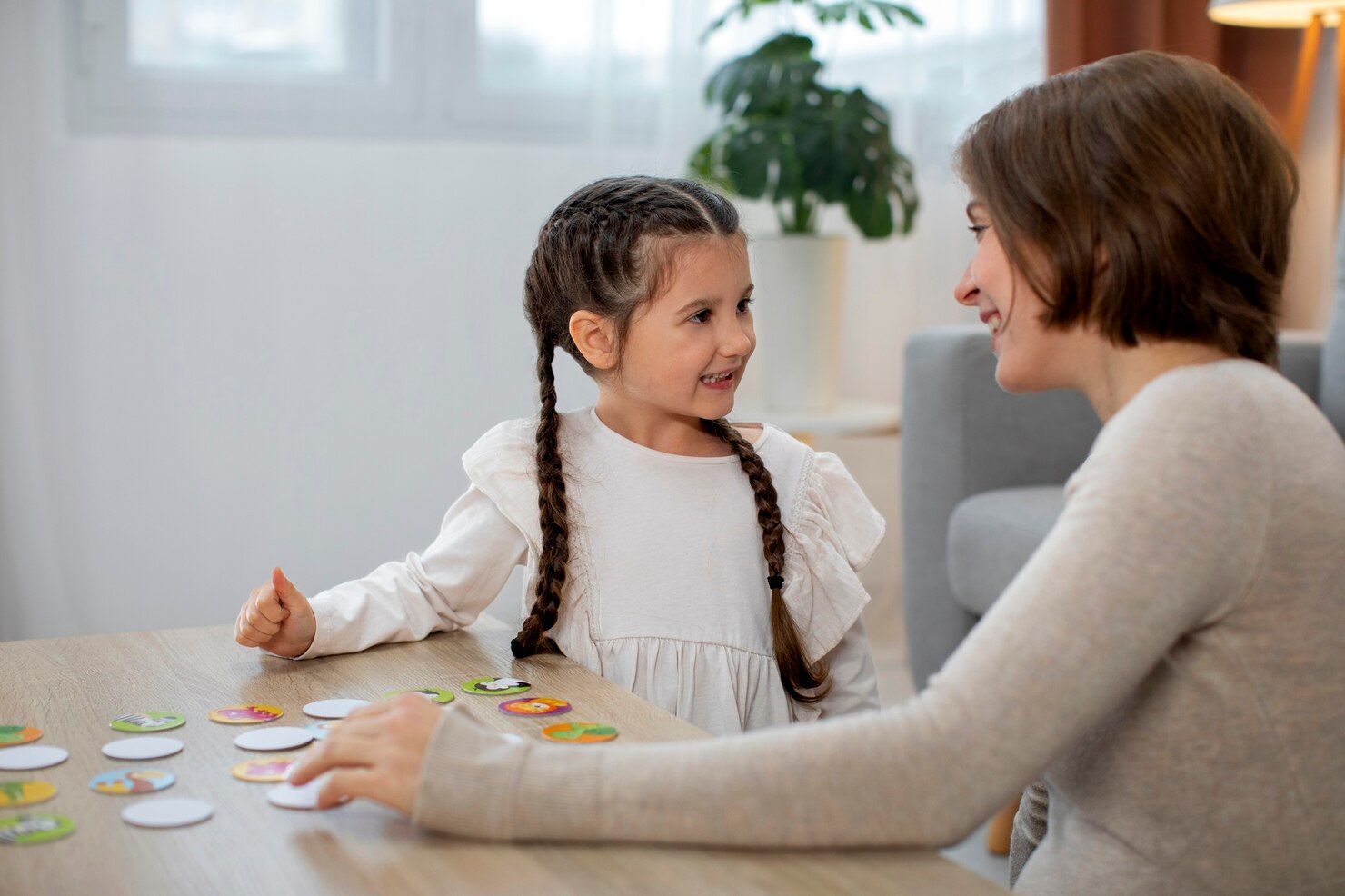
CBT helps children understand thoughts, manage emotions, and develop healthier coping strategies.

Helps individuals identify unhelpful thoughts and develop healthier emotional and behavioral responses.

Teaches emotional regulation, distress tolerance, mindfulness, and interpersonal skills for everyday challenges.

Provides a supportive environment that encourages self-understanding, personal growth, and emotional exploration.

Develops present-moment awareness to help individuals manage stress, thoughts, and difficult emotions.

Helps individuals gradually face fears and reduce compulsive behaviors associated with anxiety.

Supports individuals in processing traumatic experiences and developing healthier ways to cope.

Addresses relationship difficulties and communication challenges to improve emotional wellbeing and social connections.

Helps individuals reframe personal stories and recognize strengths beyond their current challenges.

Teaches calming techniques to reduce tension, manage stress, and promote emotional balance.

Helps individuals recognize anger triggers and develop healthier ways to express emotions.

Helps individuals understand emotional responses and build skills to manage feelings more effectively.

Evaluates intellectual abilities, reasoning skills, and cognitive strengths to understand individual learning needs.
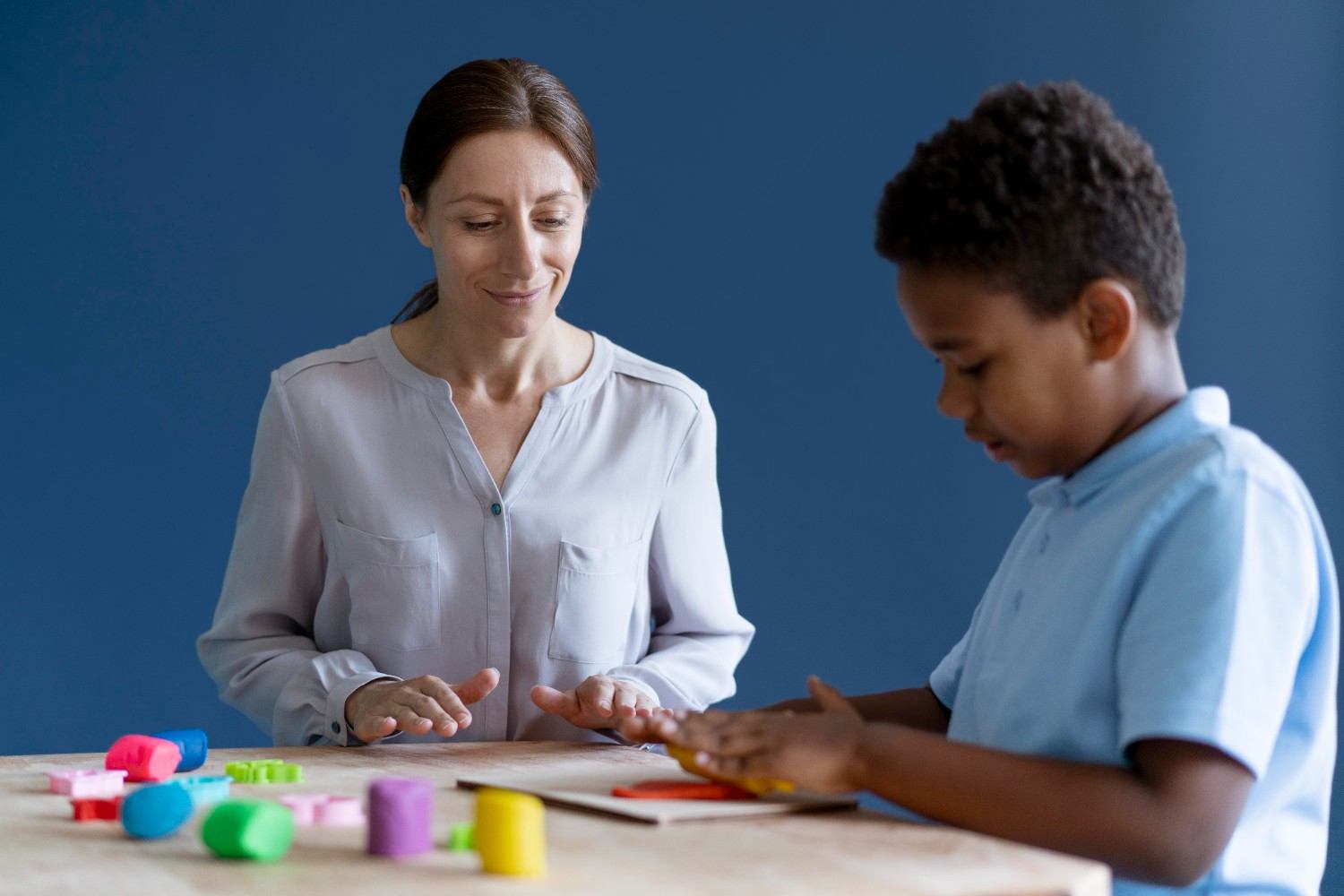
Examines developmental milestones, communication, social interaction, and age-appropriate skills in children.

Explore personality traits, emotional patterns, and individual characteristics to support better self-understanding.

Explore underlying emotions, perceptions, and thought patterns through carefully selected psychological assessment techniques.
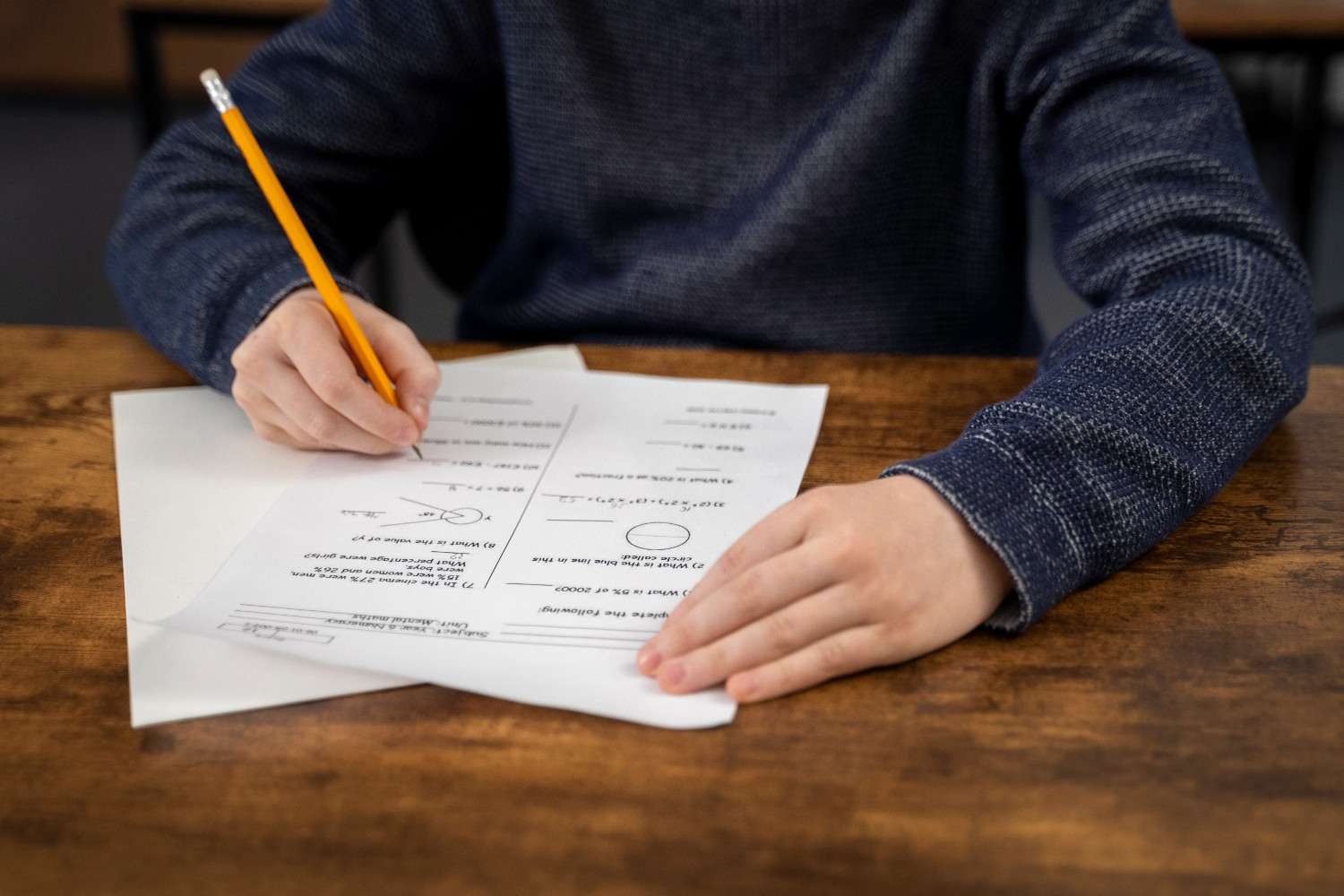
Identify individual strengths, abilities, and interests to guide educational and career decisions.

Assess memory, attention, language, and cognitive functions to understand thinking-related difficulties.

Gather structured observations of behaviors, emotions, and symptoms across different settings.

Assess learning abilities, academic skills, and educational needs to guide appropriate support.