
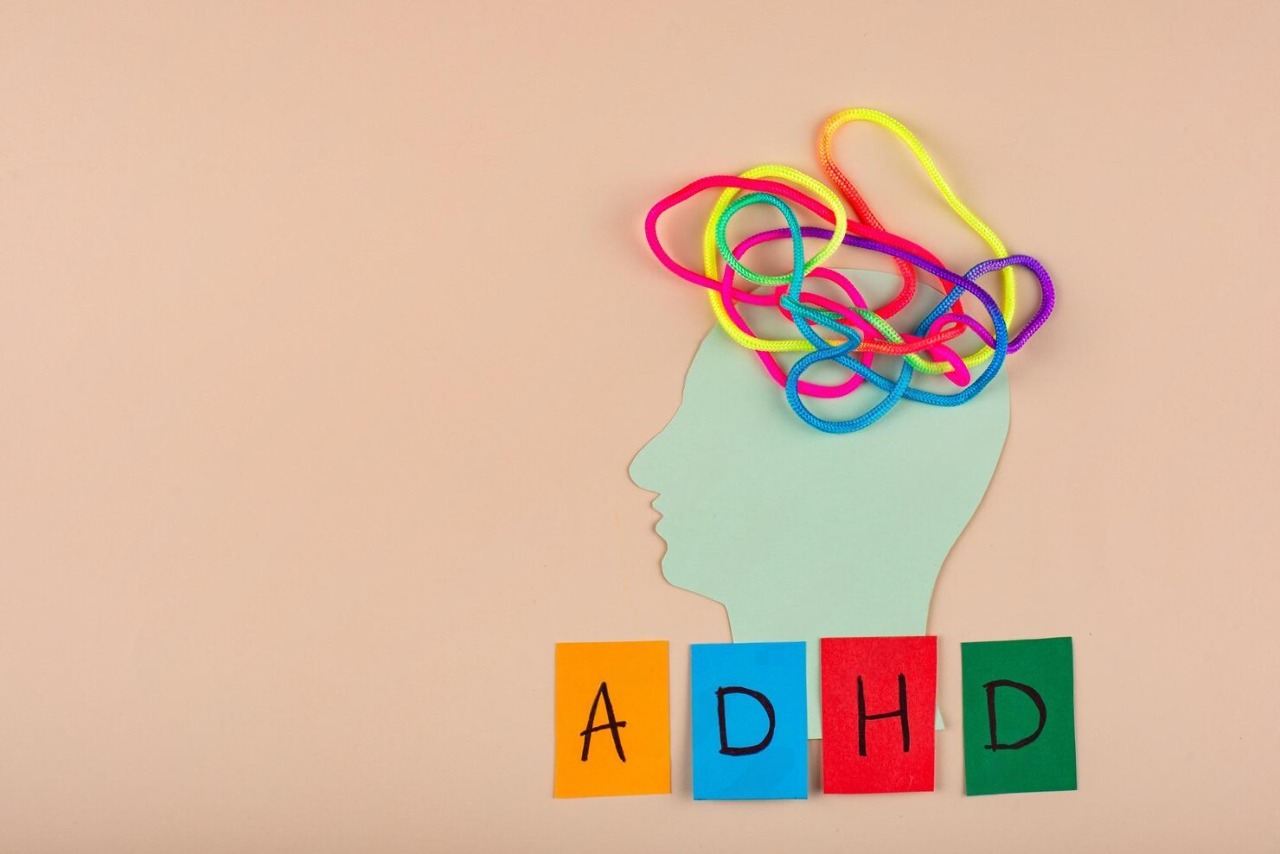
ADHD therapy focuses on supporting children who experience difficulties with attention, impulsivity, hyperactivity, organization, or managing everyday routines. Attention-Deficit/Hyperactivity Disorder (ADHD) can affect a child's learning, behaviour, relationships, and emotional well-being. With appropriate support, children can develop practical strategies to manage challenges, recognize their strengths, and participate more confidently in daily activities.
At Shunytra Mind Care, Ahmedabad, ADHD therapy is tailored to each child's developmental needs, behaviour patterns, strengths, and challenges. Depending on the child's needs, therapy may include behavioural strategies, cognitive behavioural techniques, emotional regulation activities, organizational skills training, and parent guidance. The aim is to help children build useful skills in a supportive environment while encouraging positive development at home, school, and in social settings.
How Can ADHD Therapy Help Your Child?
ADHD therapy can help children improve attention, manage impulsive behaviours, develop routines, and strengthen emotional regulation. It may also support skills such as following instructions, completing tasks, managing frustration, and interacting positively with others. Therapy goals are individualized to the child's age and needs, with parents and caregivers involved where appropriate to reinforce strategies in everyday situations.

Improve Attention and Focus
Help children practise strategies for staying engaged with tasks and following instructions.

Develop Self-Control
Support children in learning to pause, consider choices, and manage impulsive responses.

Strengthen Emotional Regulation
Introduce practical ways to recognize emotions, manage frustration, and respond to challenging situations.

Build Organization and Routine
Encourage habits that support task completion, time management, and everyday responsibilities.
Our therapy approach
At Shunytra Mind Care, we follow an individualized and child-centred approach to ADHD therapy. We begin by understanding the child's behaviour, developmental history, learning environment, and specific areas of difficulty. Based on these needs, therapy may incorporate behavioural interventions, structured activities, organizational strategies, emotional regulation techniques, and parent guidance. We review progress regularly and adjust goals as the child develops. Where appropriate, collaboration with parents, teachers, or other healthcare professionals may help provide consistent support across different environments.
Simple steps toward healing
From your first consultation to ongoing support, our process is designed to make therapy comfortable, structured, and focused on your well-being.

Book Your Consultation
Book a confidential consultation online or by phone at a time.
- We ensure smooth start your journey

Personalized Assessment
We take time understand concerns, goals, and experiences.
- We create tailore therapy plan design

Ongoing Support & Progress
Through regular session and practical strategy we help you resilience.
- Achieve lasting emotional well-being
Frequently asked questions
Common signs may include difficulty sustaining attention, being easily distracted, forgetfulness, excessive activity, interrupting others, or acting impulsively. These behaviours vary between children, and a professional evaluation is needed to determine whether they are related to ADHD.
Support can begin when a child's difficulties are affecting everyday functioning and an appropriate evaluation has identified their needs. The therapy approach depends on the child's age, development, and individual circumstances.
Yes. Appropriate therapy, particularly behavioural interventions and parent training, can help children develop skills for managing attention, behaviour, routines, and emotions. Support needs vary, and some children may also benefit from medical evaluation.
Parent involvement can be very helpful. Guidance can equip parents with practical strategies for setting routines, encouraging positive behaviours, and responding consistently to challenges at home
Progress varies depending on the child's needs, therapy goals, consistency of support, and other circumstances. Skills are generally developed gradually, with progress reviewed and strategies adjusted over time.