
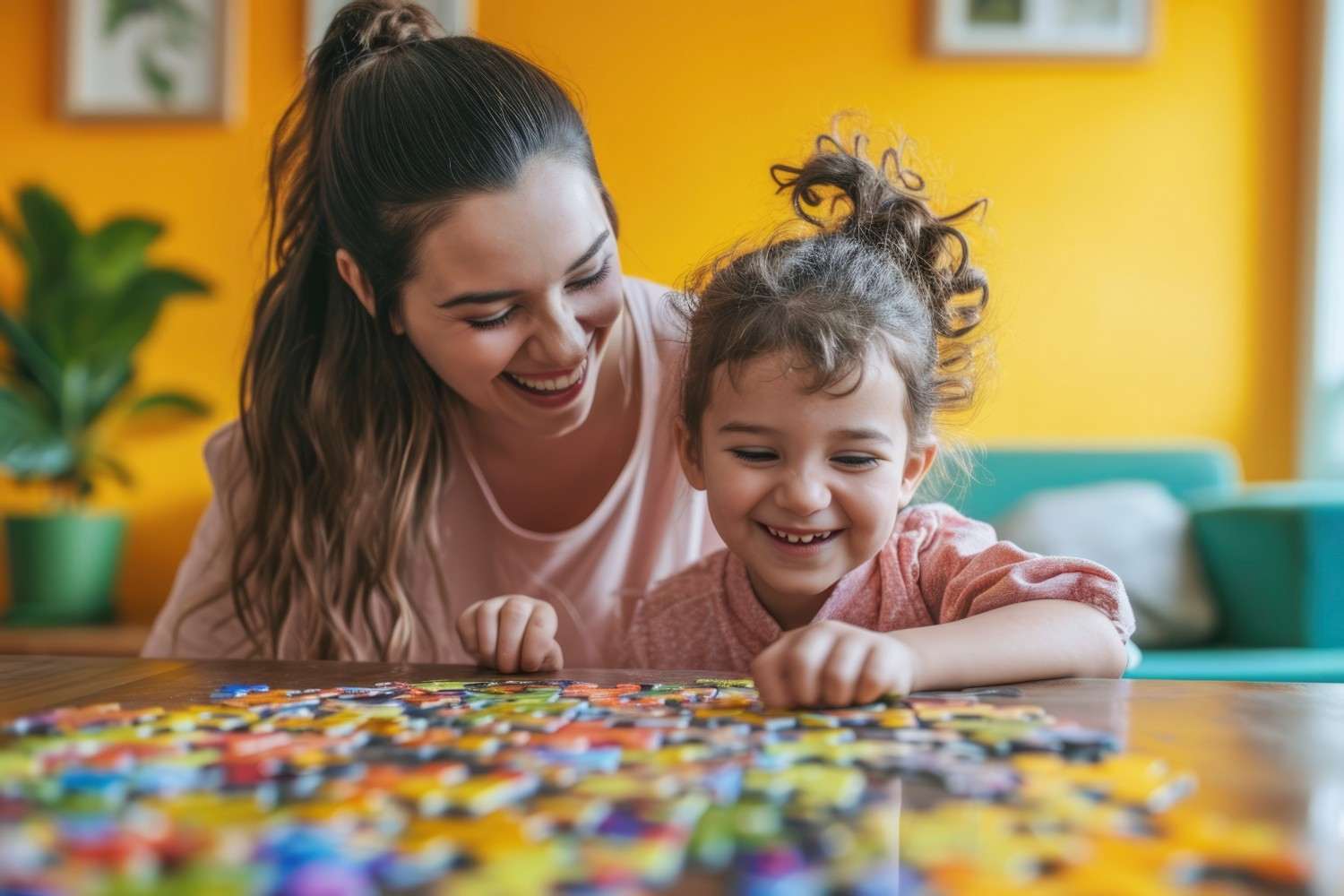
Autism therapy focuses on supporting autistic children in developing communication, social interaction, emotional regulation, daily living skills, and other abilities that can help them participate more comfortably in everyday life. Since every child has a unique developmental profile, therapy is tailored to their individual strengths, challenges, interests, and support needs rather than following a one-size-fits-all approach.
At Shunytra Mind Care, Ahmedabad, autism therapy aims to create a supportive and structured environment where children can learn and grow at their own pace. Depending on each child's needs, therapy may incorporate behavioural strategies, play-based activities, communication support, sensory-based activities, and parent or caregiver guidance. The focus is on meaningful developmental progress, building on existing strengths, and supporting the child's participation at home, school, and in the community.
How Can Autism Therapy Help Your Child?
Autism therapy can help children develop practical skills for communication, interaction, emotional expression, and everyday routines. It may support children in understanding social situations, expressing their needs, managing transitions, and building independence in daily activities. Therapy goals are personalized to the child and may evolve as their abilities and needs change, with parents and caregivers involved where appropriate to encourage consistent support across environments.

Develop Communication Skills
Support children in expressing their needs, preferences, thoughts, and feelings using communication methods suited to them.

Encourage Social Interaction
Help children explore social engagement, turn-taking, shared activities, and interaction in ways that respect their individual communication styles.

Support Emotional Regulation
Introduce appropriate strategies to help children understand and manage emotions, transitions, and challenging situations.

Greater Personal Empowerment
Encourage the development of daily living skills, routines, and participation in activities at home and in educational settings.
Our therapy approach
At Shunytra Mind Care, we follow a child-centred and individualized approach to autism therapy. We begin by understanding the child's developmental profile, interests, communication preferences, strengths, and areas where support may be helpful. Based on these needs, therapy activities and goals are planned using appropriate evidence-informed strategies, which may include play-based learning, behavioural approaches, communication support, and caregiver guidance. Progress is reviewed regularly, and goals are adjusted to suit the child's development while respecting their comfort, individuality, and dignity.
Simple steps toward healing
From your first consultation to ongoing support, our process is designed to make therapy comfortable, structured, and focused on your well-being.

Book Your Consultation
Book a confidential consultation online or by phone at a time.
- We ensure smooth start your journey

Personalized Assessment
We take time understand concerns, goals, and experiences.
- We create tailore therapy plan design

Ongoing Support & Progress
Through regular session and practical strategy we help you resilience.
- Achieve lasting emotional well-being
Frequently asked questions
Support can begin in early childhood when developmental needs are identified. The appropriate approach depends on the child's age, communication abilities, developmental profile, and individual goals.
Therapy may support communication, social interaction, emotional regulation, daily living skills, play, and participation in everyday routines, depending on the child's needs.
No. Every autistic child has different strengths, preferences, and support needs. Therapy goals and activities should be individualized and reviewed as the child develops.
Parent and caregiver involvement can be valuable. Guidance may help families use supportive strategies at home and maintain consistency between therapy sessions and everyday routines.
Progress varies depending on the child's needs, goals, and circumstances. Some skills may develop gradually, and progress is best reviewed against individualized goals rather than a fixed timeline.